
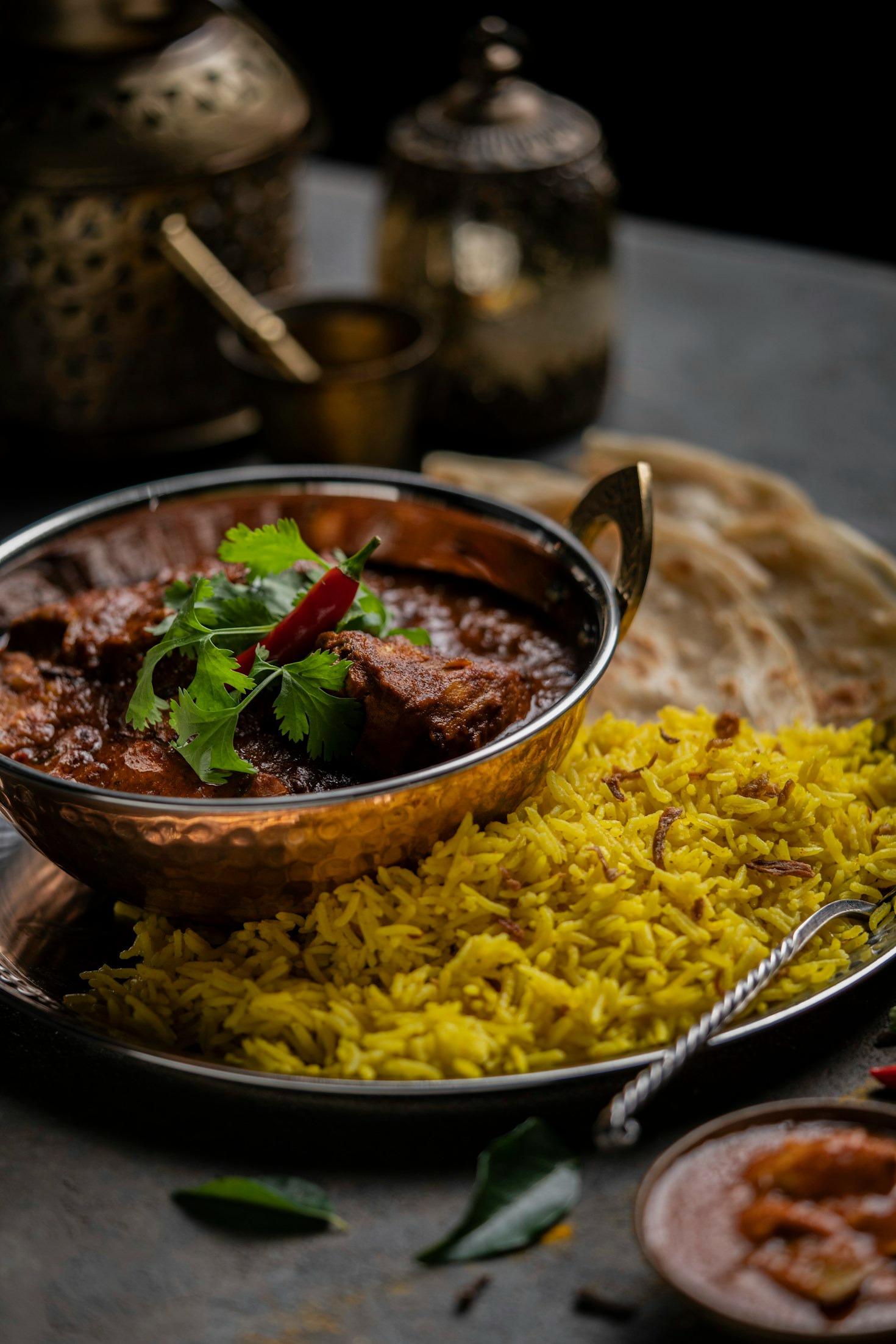
Food tells stories—of migration, memory, identity, and innovation. As a contributor exploring culinary diversity, I’ve come to see recipes not just as instructions, but as living expressions of culture shaped by time, geography, and human creativity. Every dish carries a narrative, and every flavor offers a glimpse into a different way of life.
The Beauty of Cultural Exchange
One of the most inspiring aspects of global cuisine is how cultures influence one another. Ingredients travel, techniques evolve, and traditions blend. A single dish might carry traces of multiple regions, reflecting centuries of trade, colonization, or simple human curiosity.
Take spices, for example. Once rare and precious, they moved across continents, transforming local cuisines. Today, it’s common to see dishes that combine elements from different culinary traditions—creating something entirely new yet deeply rooted in history.
Cooking as a Personal Journey
For many contributors, cooking is deeply personal. It can be a way to reconnect with heritage or explore unfamiliar cultures. Writing about food often means sharing a part of oneself—family traditions, childhood memories, or experiments in the kitchen.
In my experience, the most meaningful recipes are not the most complex, but the ones that carry emotion. A simple stew passed down through generations or a reinvented street food dish can say more than any elaborate meal.
Embracing Ingredients with Intention
Culinary diversity also encourages us to rethink how we use ingredients. Staples like grains, legumes, and vegetables are prepared differently across cultures, revealing endless possibilities.
For example:
- Lentils can become a creamy curry, a hearty soup, or a spiced filling.
- Rice can be steamed, fried, fermented, or turned into desserts.
- Herbs can shift a dish from earthy to bright with just a small change.
Understanding these variations not only expands our cooking skills but also fosters appreciation for global traditions.
The Role of Storytelling in Food Writing
As contributors, we do more than share recipes—we tell stories. A well-written food piece invites readers to experience flavors through words, to imagine aromas, textures, and the atmosphere surrounding a meal.
Describing the crackle of spices in hot oil or the sweetness of a ripe fruit can transport readers across borders. It’s about creating connection—between the writer, the dish, and the audience.
Challenges and Responsibilities
With the opportunity to showcase diverse cuisines comes responsibility. It’s important to:
- Respect cultural origins
- Avoid oversimplification or misrepresentation
- Give credit to traditional roots
Authenticity doesn’t mean rigidity—it means acknowledging where inspiration comes from while embracing creativity.
A Celebration of Unity Through Food
At its core, culinary diversity reminds us of our shared humanity. While ingredients and techniques may differ, the act of preparing and sharing food is universal.
As contributors, we have the privilege of highlighting these connections—bringing people closer through stories, flavors, and experiences. Every recipe shared is an invitation: to try something new, to learn, and to appreciate the richness of the world’s kitchens.
Final Thought
Inspiring culinary diversity isn’t just about exploring what’s different—it’s about celebrating what connects us. Through thoughtful storytelling and a genuine love for food, we can turn every dish into a bridge between cultures.on not only ties the article together but also inspires readers to engage further.
Leave a Reply