
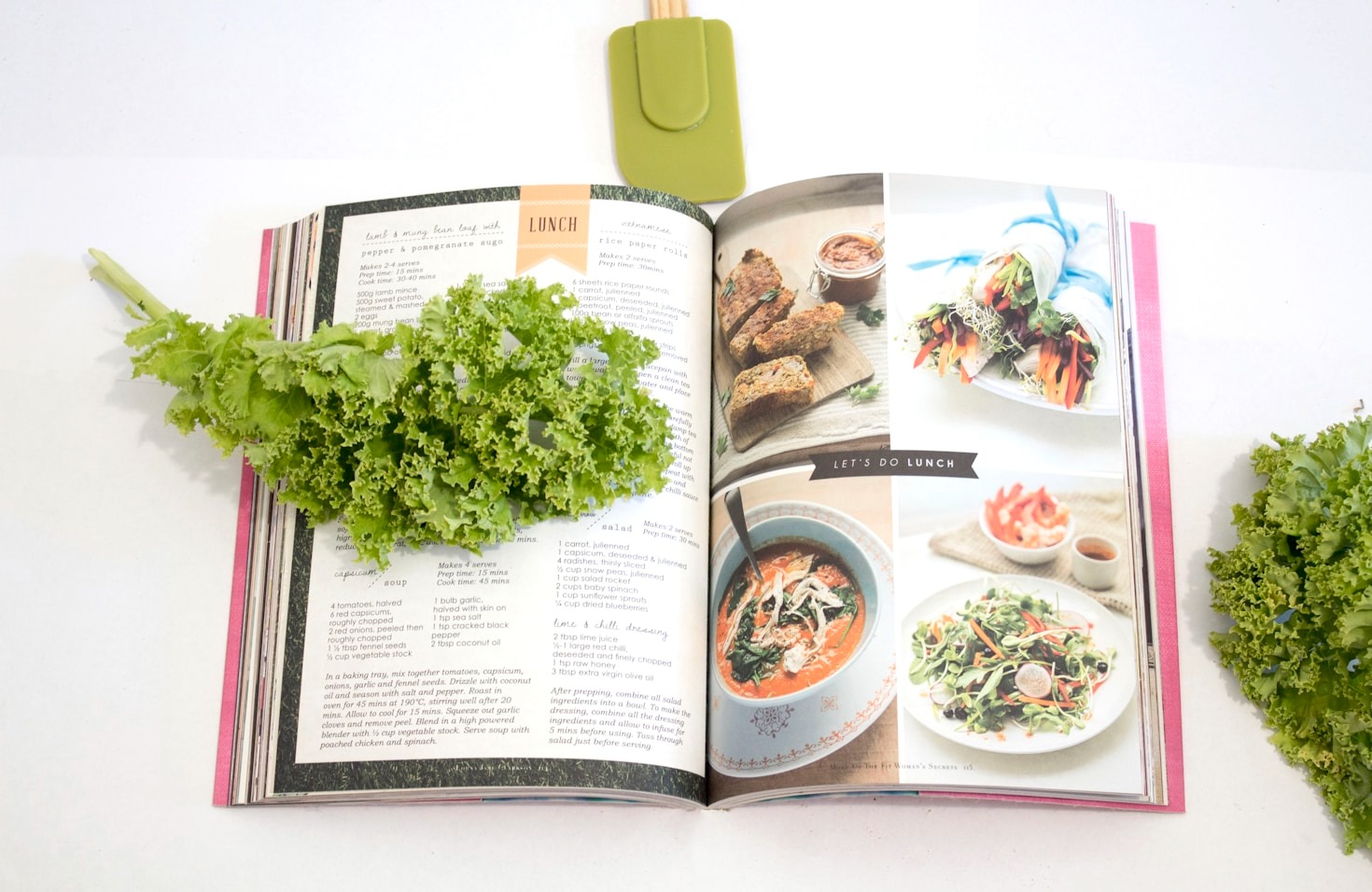
Great cooking often comes down to one essential skill: knowing which flavors work beautifully together. Across cultures, generations of cooks have discovered combinations that elevate simple ingredients into unforgettable dishes. These flavor pairing “secrets” aren’t really secrets—they’re traditions, refined over time and shared through food.
The Science Behind Flavor Pairing
At its core, flavor pairing is about balance and chemistry. Ingredients that share similar aromatic compounds tend to complement each other, while contrasting flavors create excitement on the palate.
The key elements include:
- Sweet
- Salty
- Sour
- Bitter
- Umami
Mastering how these interact allows you to build dishes that feel complete and satisfying.
Mediterranean: Olive Oil, Lemon, and Herbs
In Mediterranean cuisine, simplicity shines. A classic trio—olive oil, citrus, and fresh herbs—creates brightness and depth.
Why it works:
The richness of olive oil is lifted by acidity, while herbs add freshness and aroma.
Try it with:
Grilled vegetables, fish, or light salads.
South Asian: Spice Layering
South Asian cooking is known for its complex spice blends, often combining cumin, coriander, turmeric, and garam masala.
Why it works:
Instead of a single dominant flavor, multiple spices build layers, creating warmth and depth.
Tip: Toast spices briefly to release their full aroma before cooking.
East Asian: Sweet, Salty, and Umami
Many East Asian dishes rely on the harmony between soy sauce, sugar, and fermented ingredients.
Why it works:
The contrast between sweetness and saltiness, combined with umami, creates a deeply satisfying taste.
Try it with:
Stir-fries, marinades, and sauces.
Latin American: Chili and Lime
A vibrant pairing found across many Latin American dishes.
Why it works:
Heat from chili is balanced by the sharp acidity of lime, creating a refreshing yet bold flavor.
Perfect for:
Grilled meats, street foods, and fruit-based snacks.
Middle Eastern: Sweet and Savory
Ingredients like dates, honey, and dried fruits are often paired with meats and spices.
Why it works:
The sweetness enhances the richness of savory dishes while spices add complexity.
Try it with:
Rice dishes, tagines, or roasted meats.
European: Cheese and Fruit
From grapes with cheese to apple with pork, Europe offers many classic pairings.
Why it works:
The natural sweetness and acidity of fruit cut through the richness of cheese or meat.
Example ideas:
- Brie with figs
- Apple with roasted pork
Building Your Own Pairings
To create your own successful combinations:
- Start with a dominant flavor and build around it
- Add contrast (acid, sweetness, or texture)
- Keep it simple—too many elements can overwhelm
Trust your palate. If it tastes balanced, it works.
Final Thoughts
Flavor pairing is both an art and a science, shaped by culture and creativity. By exploring combinations from around the world, you not only improve your cooking—you connect with traditions that span generations.
The next time you cook, experiment with a new pairing. You might just discover your own “secret” worth sharing.
Leave a Reply